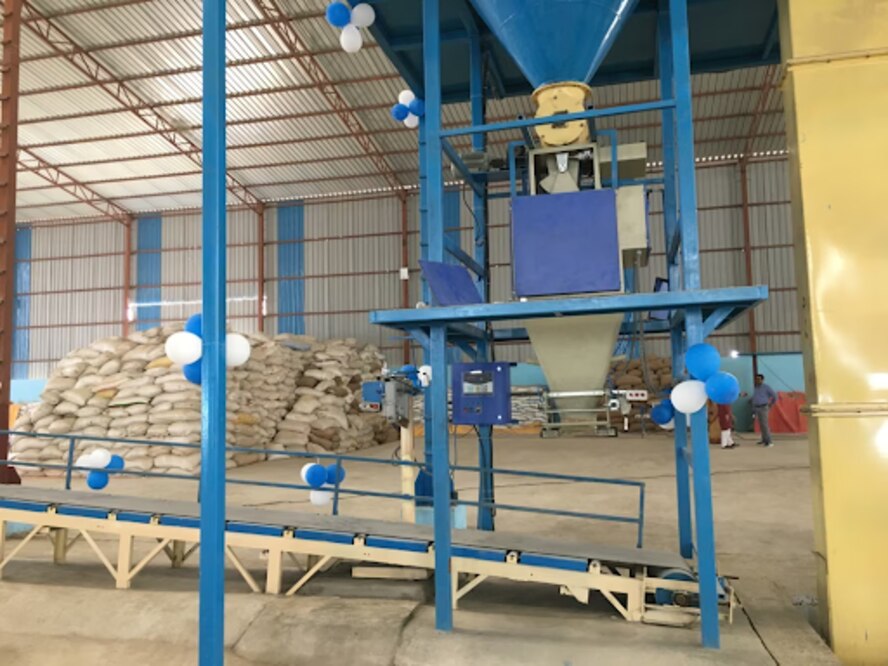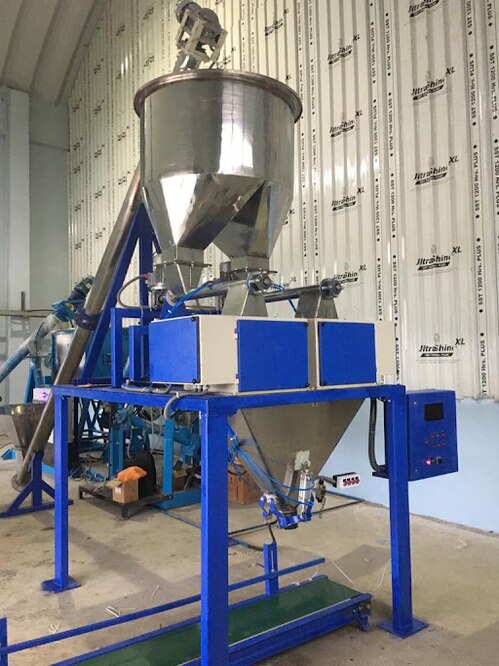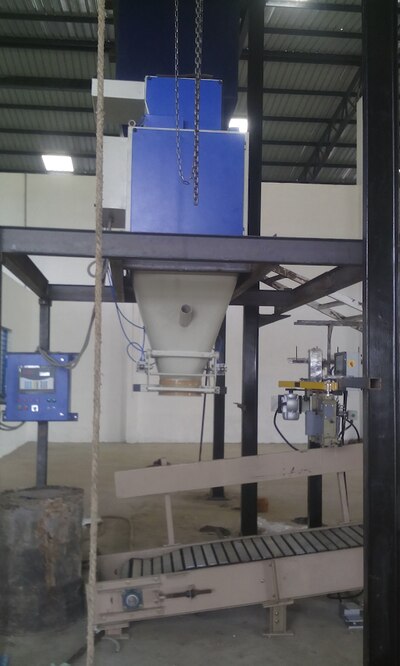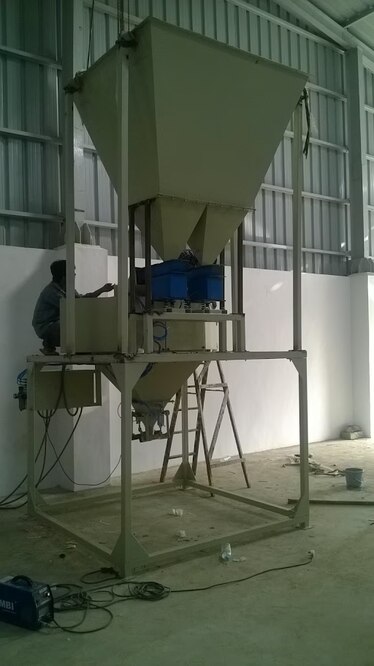
A seasonal sugar plant cannot size a filler from a headline bags-per-minute figure alone. You need to convert peak production into sustained bags per hour, match the machine to the sugar and bag, then verify that the complete line can run safely and cleanly through the packing season.
Key takeaways
- Size the filler for peak tonnes per shift and effective packing hours.
- Choose net weighing for accuracy or gross weighing for faster handling.
- Match the filling head to bag material, weight and conveyor layout.
- Demand a witnessed product trial and written output and accuracy guarantees.
Size the filler for peak-season output, not its rated speed
Calculate required capacity from the peak tonnes per shift, not the season’s daily average. Required bags per hour = peak tonnes per shift × 1,000 ÷ bag weight in kilograms ÷ effective packing hours. For example, 120 tonnes in a shift, packed into 50-kilogram bags over 7 effective hours, requires 343 bags per hour.
Effective hours exclude meal breaks, bag loading, sewing-head stops, cleaning, product changeover and minor stoppages. Then add capacity for the plant’s busiest hour, not merely the shift average.
| Rated speed | What it means | What to verify |
|---|---|---|
| 3–4 bags/minute | 180–240 bags/hour on paper | Whether manual bag presentation, filled-bag release, closure and normal interruptions are included |
| Sustained trial rate | Achievable output over a representative run | Actual bag size, sugar grade, operator count, changeover time and uptime |
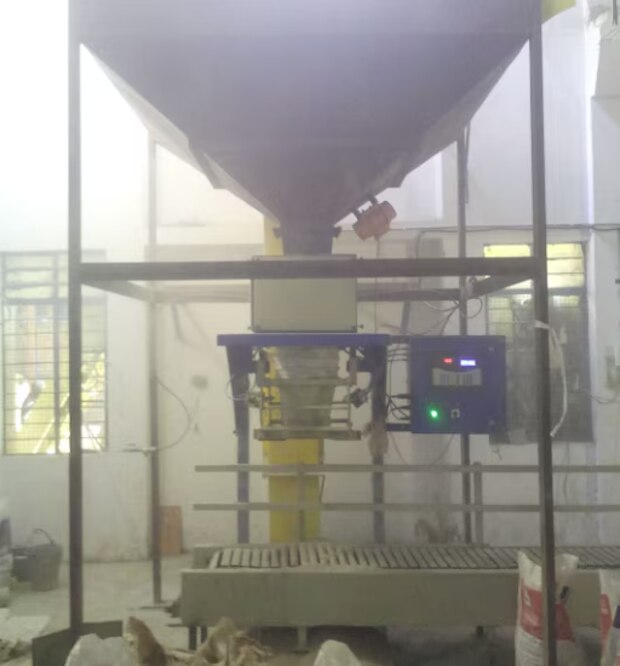
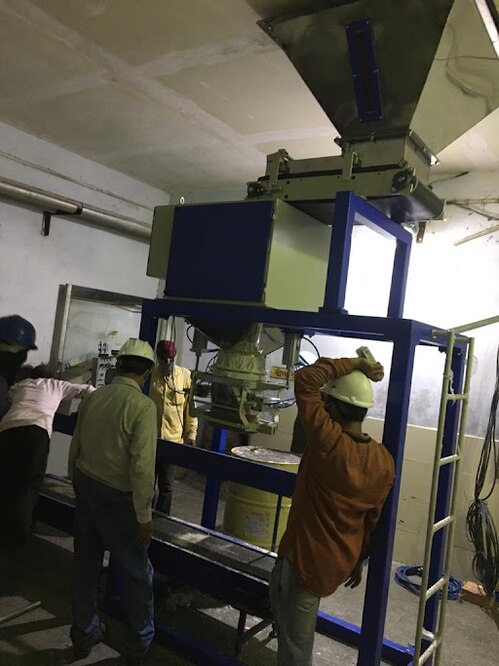
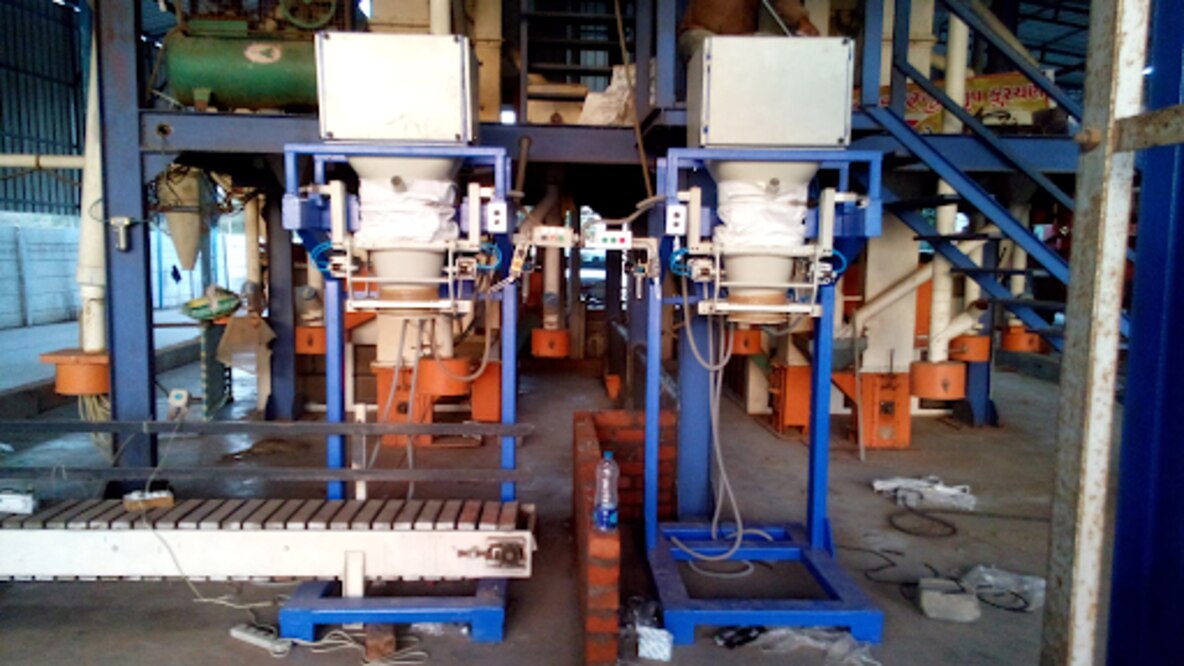
Ask the supplier to state every assumption and demonstrate the industrial sugar bag filler with your sugar and bags. Check hopper volume: it must prevent frequent refilling without creating a tall, unstable sugar column. Confirm feeder rate, coarse-feed and dribble-feed timing, free-fall compensation, bag-change time, and sewing or heat-sealing time.
Record these acceptance-test results:
- Bags per hour and uptime
- Average bag weight and standard deviation
- Rejected bags and rework
- Operator count
- Performance at the actual bag size and sugar grade
A catalogue figure is not production capacity unless the trial proves it.
Choose net or gross weighing and the right sugar-feeding method
Net weighing is the safer default when crystal size, fines, aeration or moisture changes the sugar’s bulk density. It doses sugar into a separate weigh hopper, then releases the batch into the bag, allowing weighing to overlap with bag handling. The extra hopper, gates, seals and controls add cleaning and maintenance points.
| Arrangement | Best fit | Main trade-off |
|---|---|---|
| Net weighing | Stable declared mass despite changing bulk density | More gates, seals, controls and cleaning |
| Gross weighing | Direct filling where bag support and clamping remain stable | Bag movement, clamp force and product flow affect the weighing cycle |
| Gravity feeding | Free-flowing granulated sugar | Few moving parts, but limited control over final dosing |
| Screw feeding | Controlled dosing where gravity cannot manage flow or layout | Possible crystal breakage, fines, dust, bridging and flighting wear |
Choose gravity for clean, free-flowing crystals. Use a screw only when controlled dosing is necessary; its bearings, flighting and seals create more parts to clean and maintain. Ask a sugar filling machine supplier in Gujarat for a trial using your sugar grade, bags and target weight, then request:
- Mean error
- Standard deviation
- Reject rate
- Cut-off timing and gate leakage results
- Vibration, refill and free-fall observations
Load-cell resolution alone does not prove accuracy. A stable bag frame, controlled product free fall and correct cut-off timing often determine whether the finished pack meets its declared mass.
Match the filling head, bag construction and downstream line
A filler must handle product behaviour, bag construction and every hand-off after weighing. A quotation for sugar bagging equipment in Vadodara is incomplete without these details.
1. Give the supplier the sugar’s crystal size, moisture content, temperature, bulk density, angle of repose, dust level, flowability and lump content. Test the actual grade: coarse crystals and high-fines sugar do not fill identically.
2. Match the filling head and closure to the bag. Specify dimensions, target weight, mouth construction and material: open-mouth woven polypropylene, laminated PP, paper sacks, polyethylene-lined bags and valve bags need different clamps, dust seals and sewing or heat-sealing equipment.
3. Map the complete line: bag magazine or manual presentation, filling spout, clamp, net or gross scale, release mechanism, settling or de-aeration, sewing or heat sealing, coding, checkweighing, reject handling, metal detection, conveying and palletising. Check whether conveyor vibration reaches the scale and whether drop height creates fines and dust.
A checkweigher gives process feedback and rejects underweight or overweight packs; it does not replace verification of the weighing instrument or declared quantity under India’s Legal Metrology framework for packaged commodities. Request separate food-contact declarations for product-contact steel, elastomers and lubricants, with documentation aligned to FSSAI requirements.
Any sugar packaging machine manufacturer should identify these interfaces before quoting, not after installation.
Prepare the Gujarat site for dust control, cleaning and maintenance
A seasonal filler will run safely only when the Gujarat site supports dust control, dry cleaning and fast maintenance. Treat the layout as part of the specification, not as space left after installation.
1. Reserve clear zones for the filler, bag presentation, closure machine, checkweigher, reject lane, conveyor turns, pallet staging and operator access. Confirm floor loading, levelness, hopper height, product-infeed direction, panel location, earthing, lighting and removal routes for gates, load cells, clamps and filter elements.
2. Specify compressed-air pressure and quality at the machine. Record peak consumption, filtration, moisture removal, isolation points and pressure at the filling head; the compressor nameplate alone proves nothing. Excess moisture can worsen caking and unreliable valve operation.
3. Treat sugar fines at bag mouths, transfer points, sieves and collectors as a combustible-dust hazard. Install extraction at the source, minimise leakage, bond and ground conductive equipment where required, control ignition sources and complete a documented dust-hazard assessment.
Review filter media, airflow, explosion relief or suppression, equipment isolation, discharge method and collector location as one system. Do not return collected dust without assessing contamination and re-entrainment.
4. Provide enclosed transfers, accessible hoppers and chutes, cleanable surfaces and a written dry-cleaning procedure for humid seasonal conditions. Define replacement intervals and local availability for gate seals, load-cell mounts, clamps, filter elements and sewing or sealing parts.
For sugar bagging equipment in vadodara, record vibration isolation, controlled drop heights, bag-clearance routes and maintenance access before accepting the layout. These details prevent fines, caking and avoidable peak-season stoppages.
Compare manufacturers through a product trial and written guarantee
Compare a sugar bag filling machine manufacturer in Vadodara by giving every bidder identical product data, bag samples, target weights, peak bags-per-hour requirement, shift pattern and available utilities. Ask each sugar packaging machine manufacturer to separate catalogue speed from guaranteed sustained output.
| Measure | Rated figure | Guaranteed basis |
|---|---|---|
| Speed | Bags per minute from the catalogue | Sustained bags per hour including bag presentation, closure and normal stoppages |
| Product | Unspecified sugar | Named sugar grade, bag format and target weight |
| Performance | Manufacturer’s stated accuracy | Accuracy target, operator count, changeover time, dust-collection condition, uptime assumption and allowable reject or rework percentage |
Require a witnessed trial with your sugar and bags. Record mean error, standard deviation, reject rate, stoppages, cleaning time and changeover time; a load-cell resolution figure alone proves little.
Review recipe controls for target weight, bulk and dribble settings, free-fall compensation, bag dimensions and reject limits. Password levels, audit trails and stored recipes prevent unauthorised changes during a short season.
Confirm food-contact declarations for steel, elastomers and lubricants, plus FSSAI documentation, Legal Metrology support, electrical drawings, pneumatic schematics, spares intervals, service response and operator training. A sugar filling machine supplier in Gujarat should identify replacement sources for clamps, seals, filters and sewing components.
Shivam Control Systems belongs in the comparison when the project needs weighing, filling, conveying and plant-control interfaces coordinated from one specification. Local access is a production factor: rapid replacement during crushing season can outweigh a small purchase-price saving.
Related products
 | Bag Filling Machines We are a reliable manufacturer and supplier of a quality assured range of Gross Type Bagging Machine. View product → |
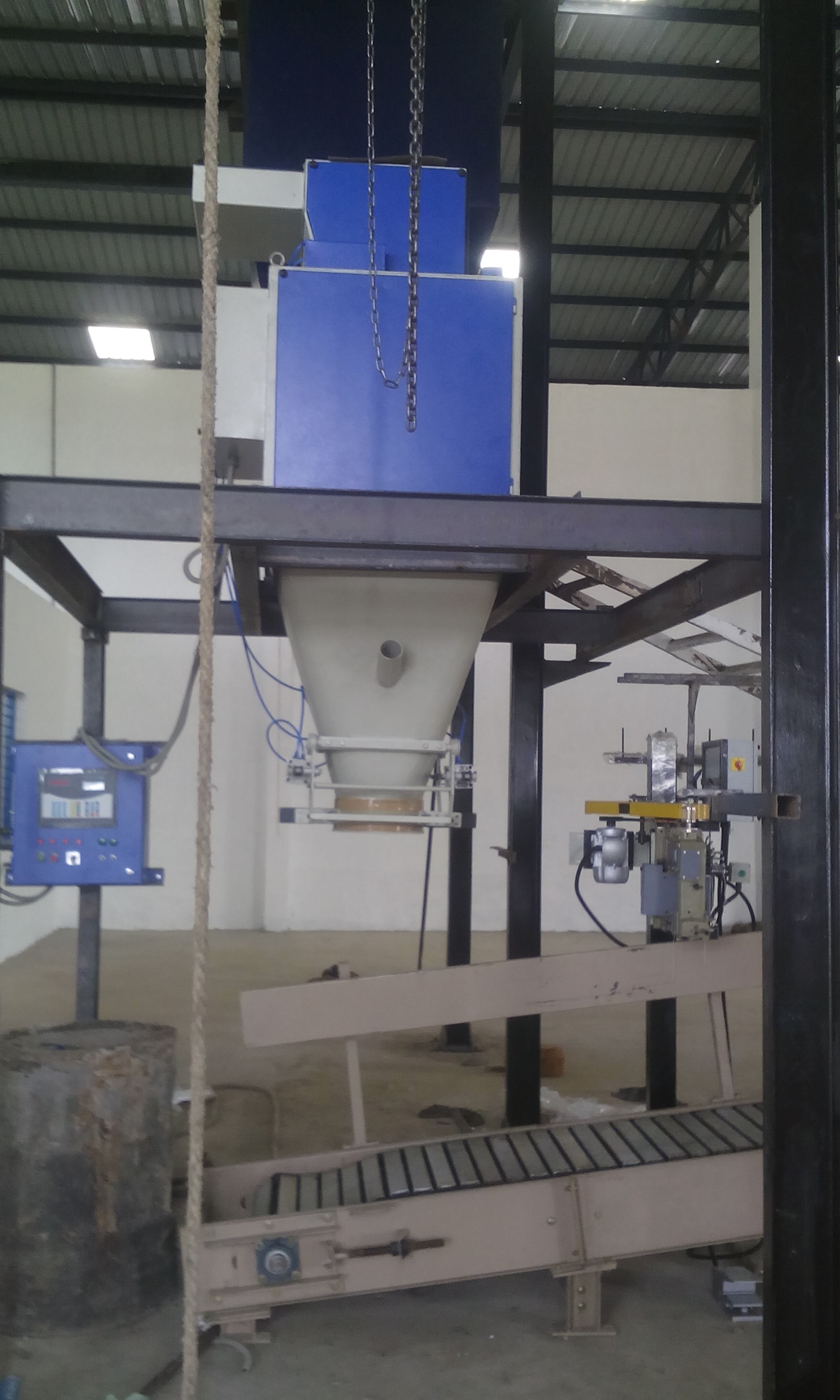 | Bag Filling Machines ₹250000 Our in-depth domain knowledge, skilled professionals and cutting-edge technology have enabled us to come up with a premium quality range of Gravity... View product → |
Frequently asked questions
How do you calculate the required sugar bag filling machine capacity?
Calculate bags per hour as peak tonnes per shift × 1,000 ÷ bag weight in kilograms ÷ effective packing hours. Size for peak-season demand, not the seasonal daily average.
Should a sugar plant choose net or gross weighing?
Choose net weighing when the target fill weight and product accuracy matter most. Choose gross weighing when each bag is filled directly on the scale and faster bag handling suits the line.
What should you match between the filler and the sugar bag?
Match the filling head, clamp and discharge arrangement to the bag’s construction, mouth design, material and target weight, then confirm compatibility with the conveyor and sewing or sealing equipment.
How should you compare sugar bag filling machine manufacturers?
Run a product trial using your sugar, bags and target weight, then obtain written guarantees for output, weighing accuracy, dust control, changeover time and service response.
Related products
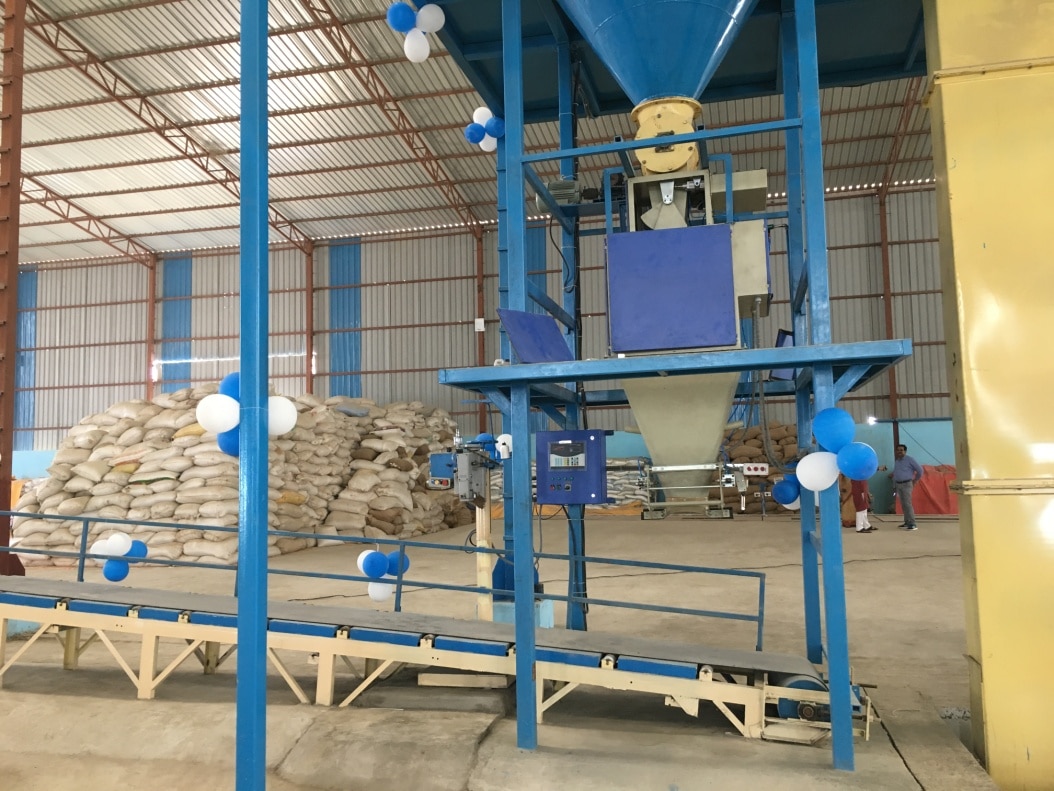 | Bag Filling Machines Gravity Feeder Type Bag Filling Machine ( Net Type ) • Ideal for Whole Grains, Pulses, Sugar, Cattle & Poultry feed, Dry Sand, Fertilizers, etc. • Accuracy: +/- 0.2 % in weight. View product → |
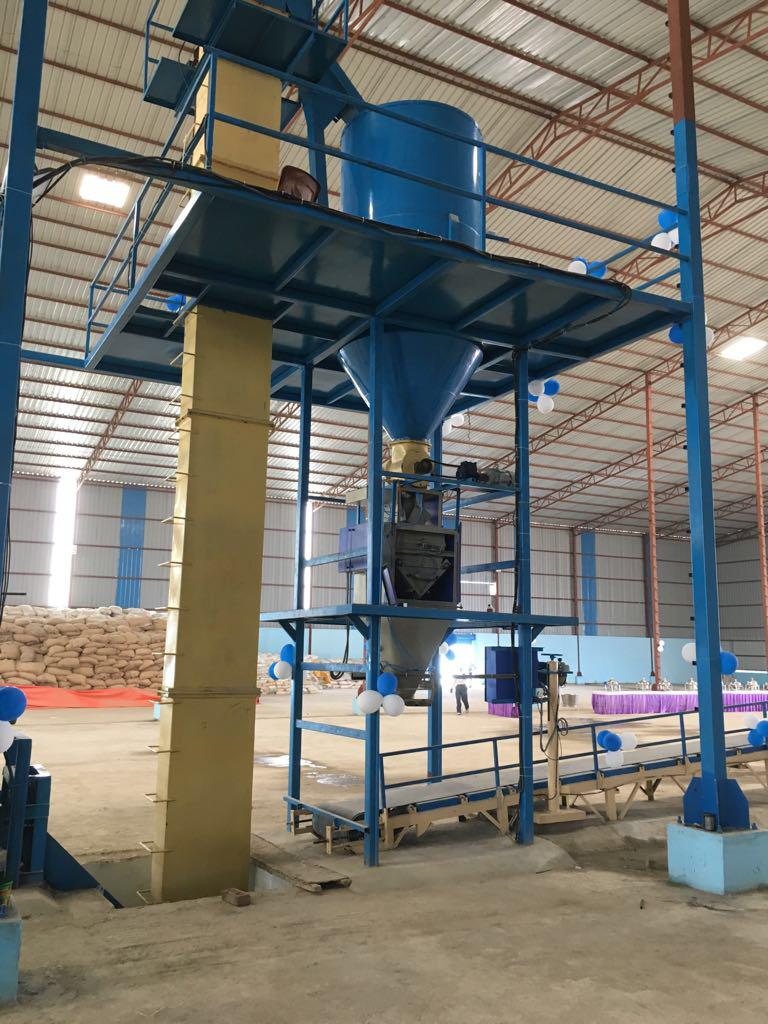 | ₹350000 #Net Type Bagging Machine manufacturer #Net Type Bagging Machine manufacturer in India #Net Type Bagging Machine manufacturer in Gujarat #Net Type... View product → |
Keywords